Scientists have developed a new type of boron nitride ceramic crucible designed specifically for melting radioactive materials during waste vitrification studies. These crucibles show strong resistance to high temperatures and chemical corrosion, making them ideal for handling hazardous nuclear waste. The material stays stable even when exposed to extreme heat and aggressive molten glass mixtures used in vitrification processes.
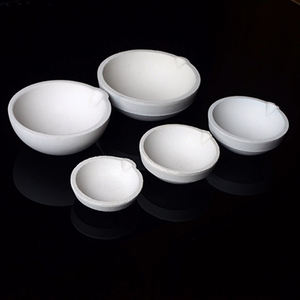
(Boron Nitride Ceramic Crucibles for Melting Radioactive Materials for Waste Vitrification Studies)
Traditional containers often degrade under such harsh conditions, which can contaminate samples or damage equipment. Boron nitride ceramics avoid this problem by maintaining their structure and purity throughout repeated heating cycles. This reliability helps researchers obtain more accurate data during experiments aimed at turning liquid nuclear waste into solid glass forms.
The new crucibles are also non-reactive with most radioactive elements. This means they do not introduce unwanted impurities into the melt. Their smooth surface further reduces the chance of residue buildup, simplifying cleanup and reuse. Labs working on nuclear waste treatment now have a safer and more efficient tool for small-scale testing.
Initial tests conducted at national research facilities confirmed the crucibles’ performance under simulated vitrification conditions. They held up well at temperatures above 1,500 degrees Celsius without cracking or warping. Scientists noted consistent results across multiple trials, reinforcing confidence in the material’s suitability for long-term use.
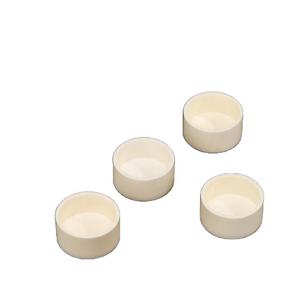
(Boron Nitride Ceramic Crucibles for Melting Radioactive Materials for Waste Vitrification Studies)
Manufacturers are scaling up production to meet growing demand from government and academic institutions involved in nuclear safety research. The crucibles are expected to support future advancements in waste immobilization techniques. Their introduction marks a practical step forward in improving the safety and precision of radioactive material handling during critical environmental studies.